Atlanta Housing Market 2026: 5 Forces Reshaping the City
West Midtown has builder concessions and units sitting vacant for months. Three miles east in Inman Park, a well-priced home can still draw multiple offers inside a week. Same city — totally different markets. And heading into 2026, that gap is only getting wider.
Every Major District Is Building at Once
What makes this cycle different is the sheer simultaneity of it. Atlanta usually heats up one neighborhood at a time — Midtown boomed, then the Eastside BeltLine took off, then Summerhill started shifting. Right now, that’s not what’s happening.
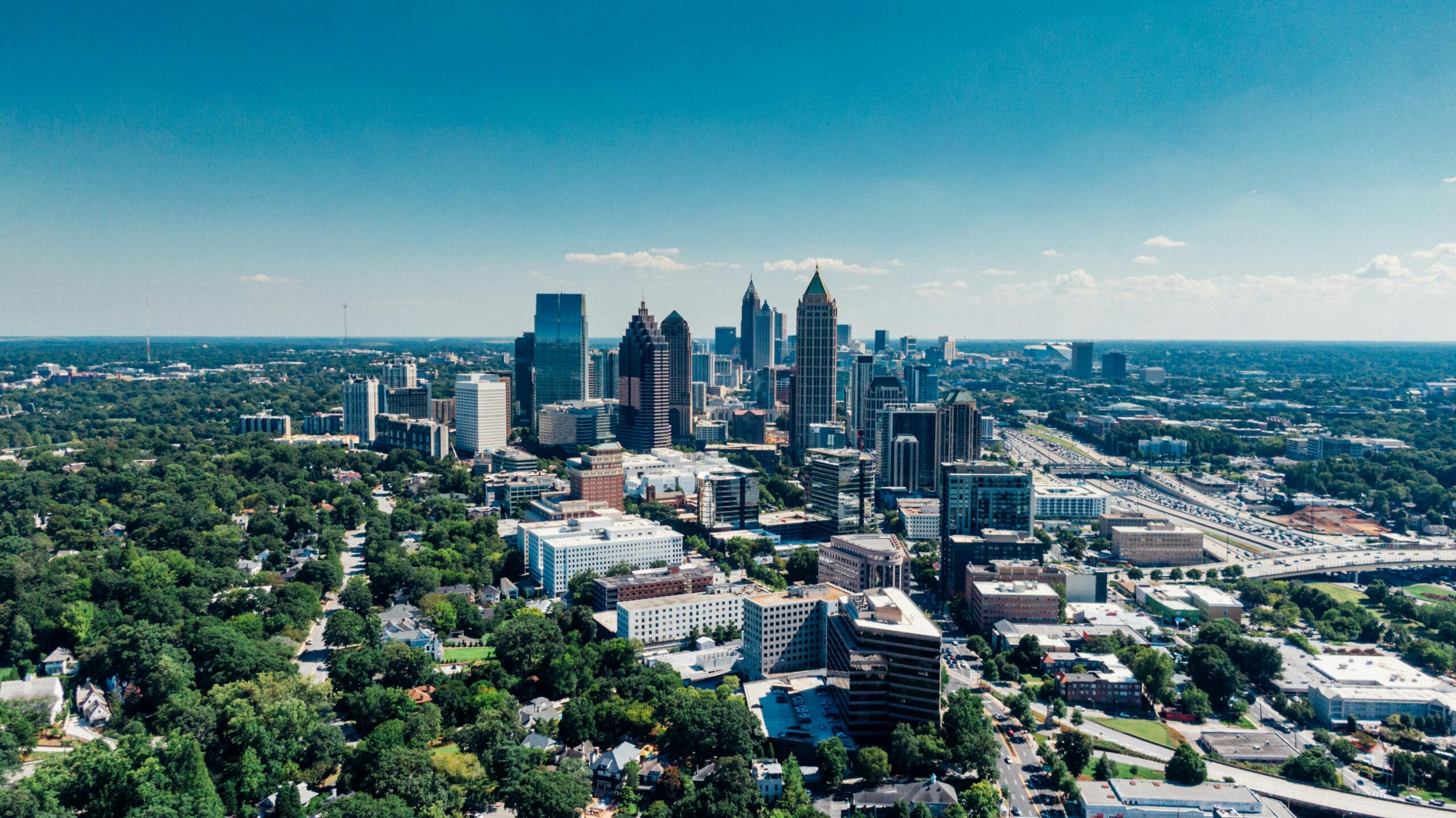
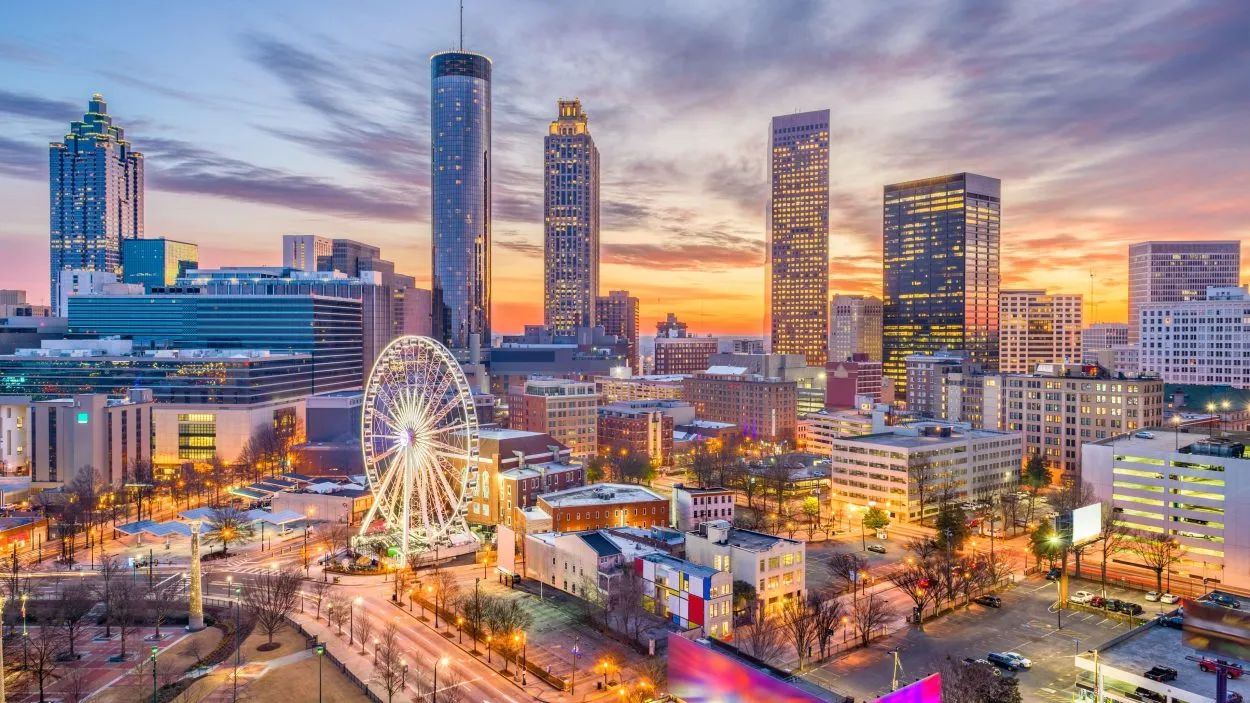
Midtown, West Midtown, Summerhill, Centennial Yards, the Quarry area near Westside Park, and multiple BeltLine corridors are all delivering major mixed-use projects at the same time. In 2024 and 2025 alone, Midtown added nearly 3,300 new apartments across two years. Centennial Yards — 50 acres directly on MARTA, adjacent to Mercedes-Benz Stadium — has a master plan calling for roughly 2.8 million square feet of housing and a build-out estimated at $5 billion.
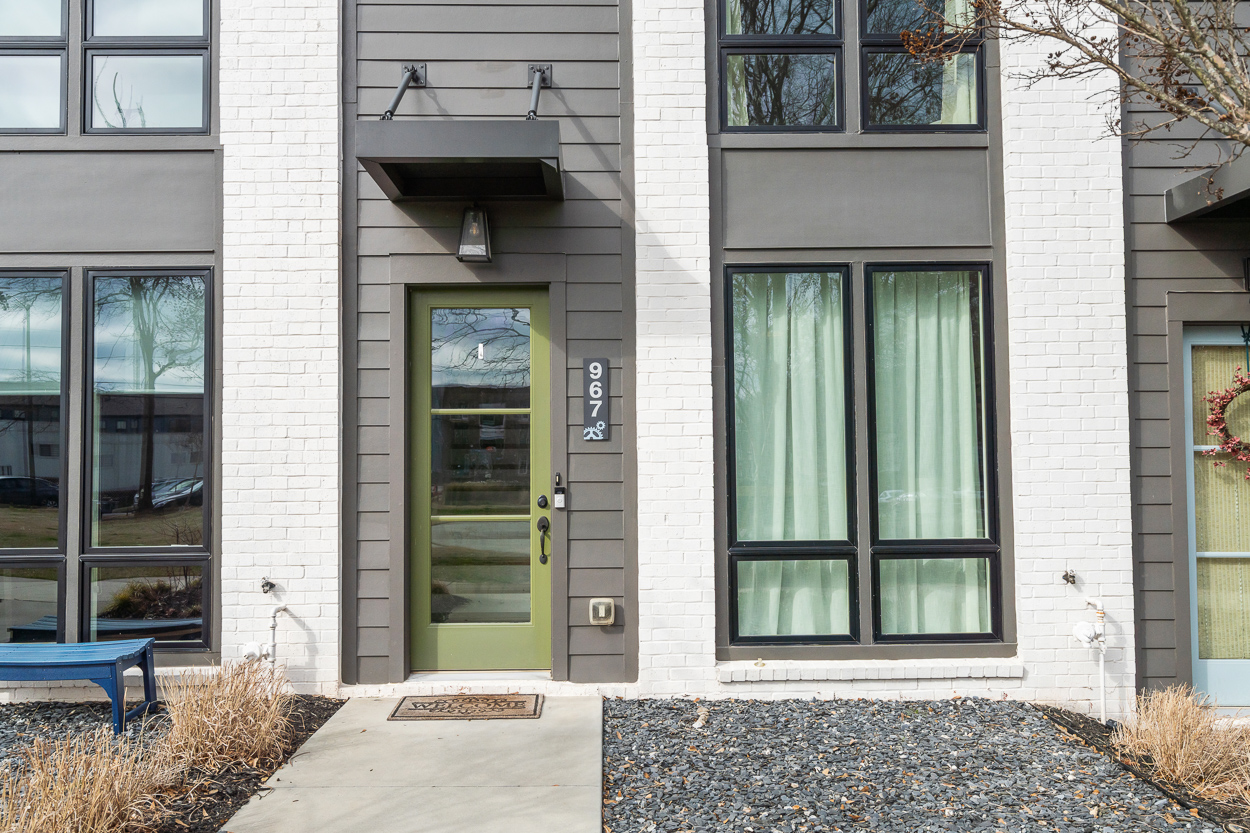
For buyers, this means emerging districts like West Midtown, the Upper Westside, and the Southside BeltLine now offer for-sale townhomes and condos in the high $300s to $500s, with more inventory and more negotiating room than at any point in the past few years.
Tech Jobs Are Concentrating Demand in Specific Corridors
Georgia Tech’s $5.8 billion annual economic impact supports roughly 36,700 jobs — most of them clustered within walking distance of Midtown’s residential towers. Metro Atlanta now has more than 13,000 technology companies, with tech employment growing around 15% over the past five years.
That concentration matters for buyers. As hybrid schedules tighten and more workers are required in-office multiple days a week, proximity to Midtown, Old Fourth Ward, and the BeltLine Eastside becomes a direct factor in where people want to live. The mean one-way commute in Fulton County is already around 28 minutes — and Atlanta commuters lose roughly 87 hours per year to congestion. Living close to work isn’t just convenient. In Atlanta, it’s a financial and quality-of-life decision.
Zoning Is Opening Supply — But Not Everywhere
Reynoldstown and Inman Park sit a few blocks apart, separated by a MARTA station. One has historic overlay zoning that severely limits density. The other doesn’t. That single policy difference is why Reynoldstown absorbed 285 new apartments at Station R while Inman Park’s single-family inventory stays tight and priced at a premium.
The BeltLine Overlay District, the Upper Westside Overlay, and the city’s ongoing ATL Zoning 2.0 rewrite are all nudging corridors like Memorial Drive, Moreland Avenue, and the Southside BeltLine toward mixed-use, multi-unit formats. Meanwhile, historic single-family neighborhoods — Inman Park, Virginia Highland, Poncey-Highland — keep tighter controls that limit supply and support pricing that starts in the mid $800s.
Trail and Transit Access Are Shifting Buyer Behavior
The Westside Trail Segment 4, opened in June 2025, created a continuous 6.7-mile paved stretch from Blandtown down to Pittsburgh Yards — the longest uninterrupted BeltLine run so far. BeltLine leadership is targeting approximately 17.9 miles of mainline trail by early 2026, timed around the World Cup.
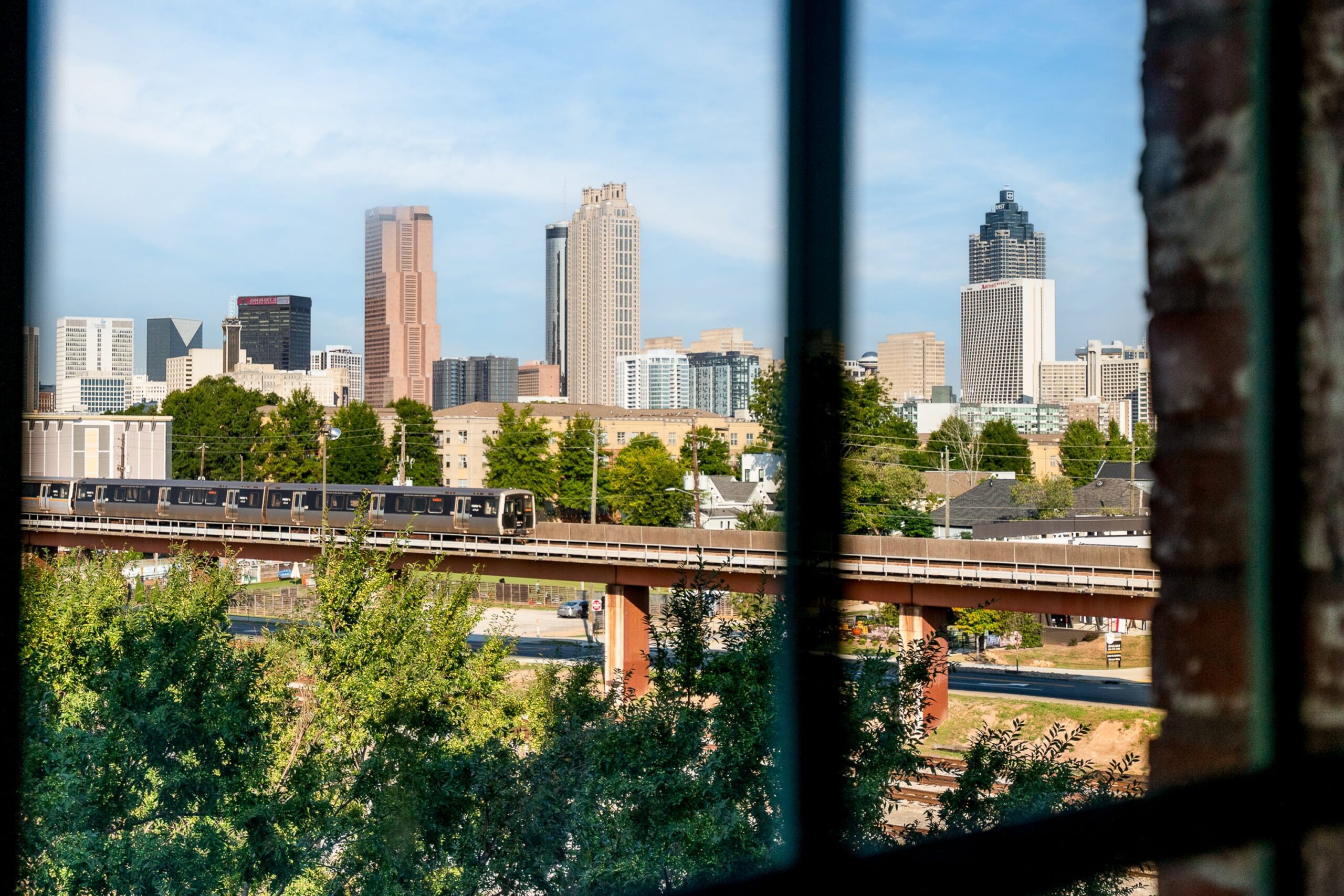
Builders are already pricing this in. TPA Residential’s 300-unit project at 1104 Avondale Avenue in Boulevard Heights is explicitly marketed around its proximity to the under-construction Southside Trail. The 18-townhome Heights on Boulevard development is designed for buyers who intend to bike the BeltLine instead of drive. The Summerhill BRT — Atlanta’s first bus rapid transit line — is targeting a partial April 2026 opening, running roughly every 10 to 15 minutes through South Downtown and connecting to Five Points.
Trail and transit access aren’t lifestyle perks anymore. They’re pricing factors.
Price Patterns Are Diverging Sharply
City-wide, the median sale price is hovering in the high $300s, down about 6% year over year, with homes averaging just over 80 days on market. But intown single-family tells a different story. Average prices in core ITP neighborhoods sit in the low to mid $800s, with year-over-year gains in the mid single to low double digits — roughly 5 to 10% appreciation from 2024 to 2025.
New construction-heavy areas look different. In Old Fourth Ward, some property types are showing over 20 months of supply. West Midtown median values are in the mid to high $300s, down modestly. Buyers in those corridors have genuine leverage on price and concessions right now.
The split is simple: where supply can grow, prices have flattened. Where historic overlays and tight zoning constrain supply — and where school clusters like Mary Lin Elementary (9/10 GreatSchools) and Midtown High (9/10) anchor buyer demand — pricing holds and often climbs.
Watch the Full Video
We broke down all five forces — development scale, tech job clustering, zoning shifts, trail and transit buildout, and price divergence — in this week’s Your Real Atlanta video. It’s the most detailed look we’ve done at how Atlanta’s housing map is being redrawn heading into 2026.
Explore Atlanta With Us
Your Real Atlanta is an independent editorial brand covering ITP Atlanta neighborhoods every week — market analysis, neighborhood deep dives, and the context that helps you make a move you’ll actually feel good about. If this kind of coverage is useful to you, subscribe to our Saturday newsletter to get it delivered every week.