7 Things You Must Know About Living in Atlanta in 2026
Atlanta is one of the most relocated-to cities in the country — and yet most people arrive with the wrong mental map. They’ve checked the home prices, maybe toured a neighborhood or two, and still get blindsided by the things that actually shape daily life here.
If you’re seriously considering living in Atlanta, these seven realities will matter more than any spreadsheet you’ve built.
Traffic Is About Time, Not Distance
Five miles in Atlanta can take 15 minutes or it can take 50. According to INRIX’s 2025 Global Traffic Scorecard, metro Atlanta ranked 7th worst in the U.S. for congestion — drivers lose around 75 hours a year and about $1,381 in annual costs just sitting in traffic.
The practical result is that most people who live intown end up in what’s essentially a 3-mile bubble. Neighborhoods like Midtown, Old Fourth Ward, Virginia-Highland, and Inman Park are as sought-after as they are because everything — coffee, groceries, work, the gym — is reachable without a freeway. Many households in these areas get by with one car or none at all.
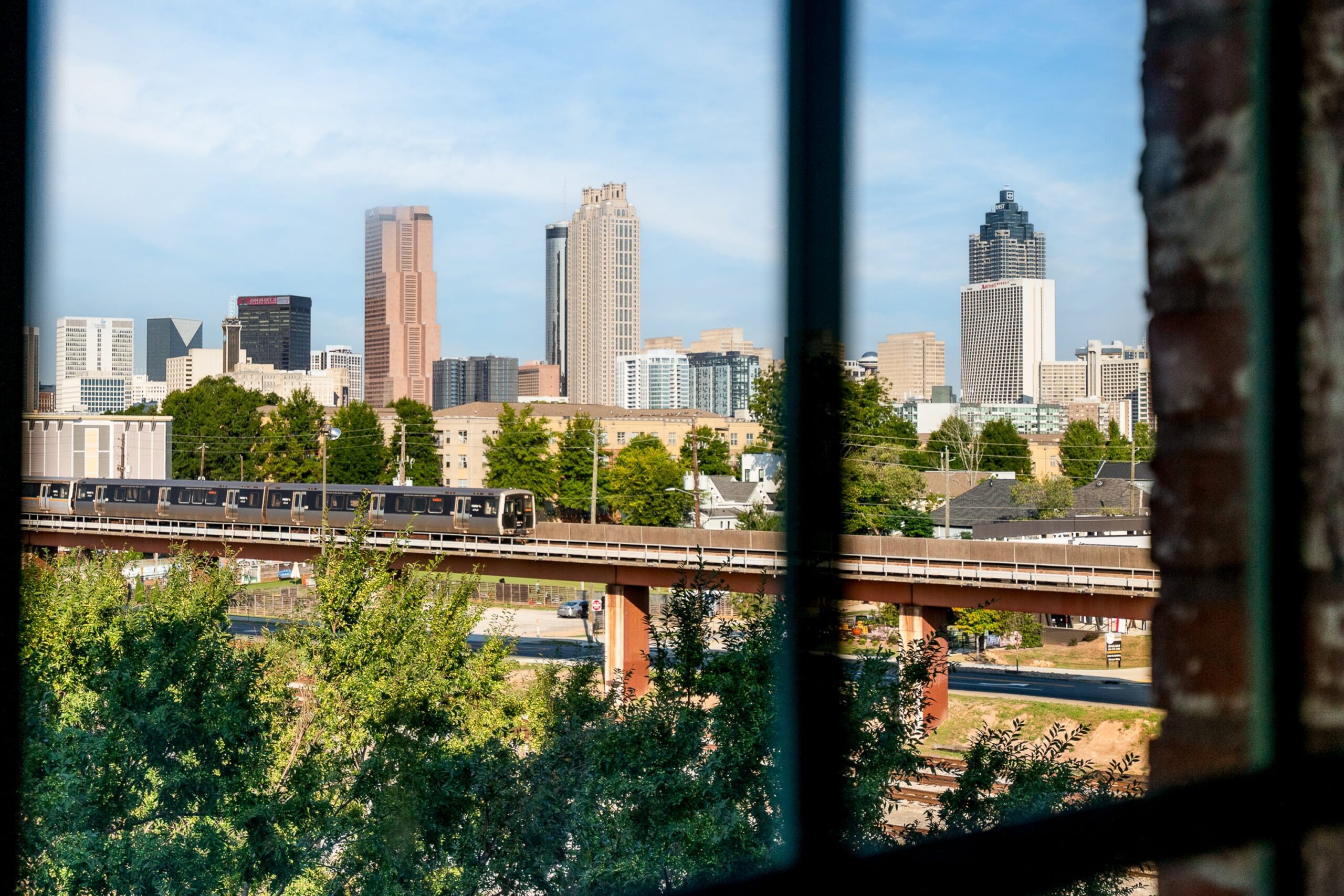
Atlanta has around 146 miles of bike lanes throughout the city, and 2026 is a meaningful year for MARTA: the NextGen Bus Network launches April 18th, bringing 15-minute frequency service to three times as many metro residents. The MARTA Rapid A-Line — metro Atlanta’s first Bus Rapid Transit line — also launches this year, connecting Downtown to Summerhill and the BeltLine’s Southside Trail.
Choose your location first. Then find your home.
The Weather Will Surprise You (Every Time)
Atlanta sits in the foothills of the Appalachian region — the highest-elevation major city east of the Mississippi River. That geography creates wild swings. Outside of summer, a 30-degree temperature shift in a single day is not unusual. Late February 2026 was a textbook example: near 80°F on a Friday, wind chills in the single digits by Sunday.
Locals call it “Fake Spring.” A gorgeous stretch of warm days in February or early March convinces you winter is done. It isn’t.
Summer is the predictable season — hot, humid, consistently in the high 80s with 10 to 15 degrees of daily swing. The seasons that win people over are fall and spring, when the city’s plant diversity (Atlanta can grow nearly everything on the Eastern Seaboard) turns the whole city beautiful.
Pollen Season Is Unlike Anything You’ve Experienced
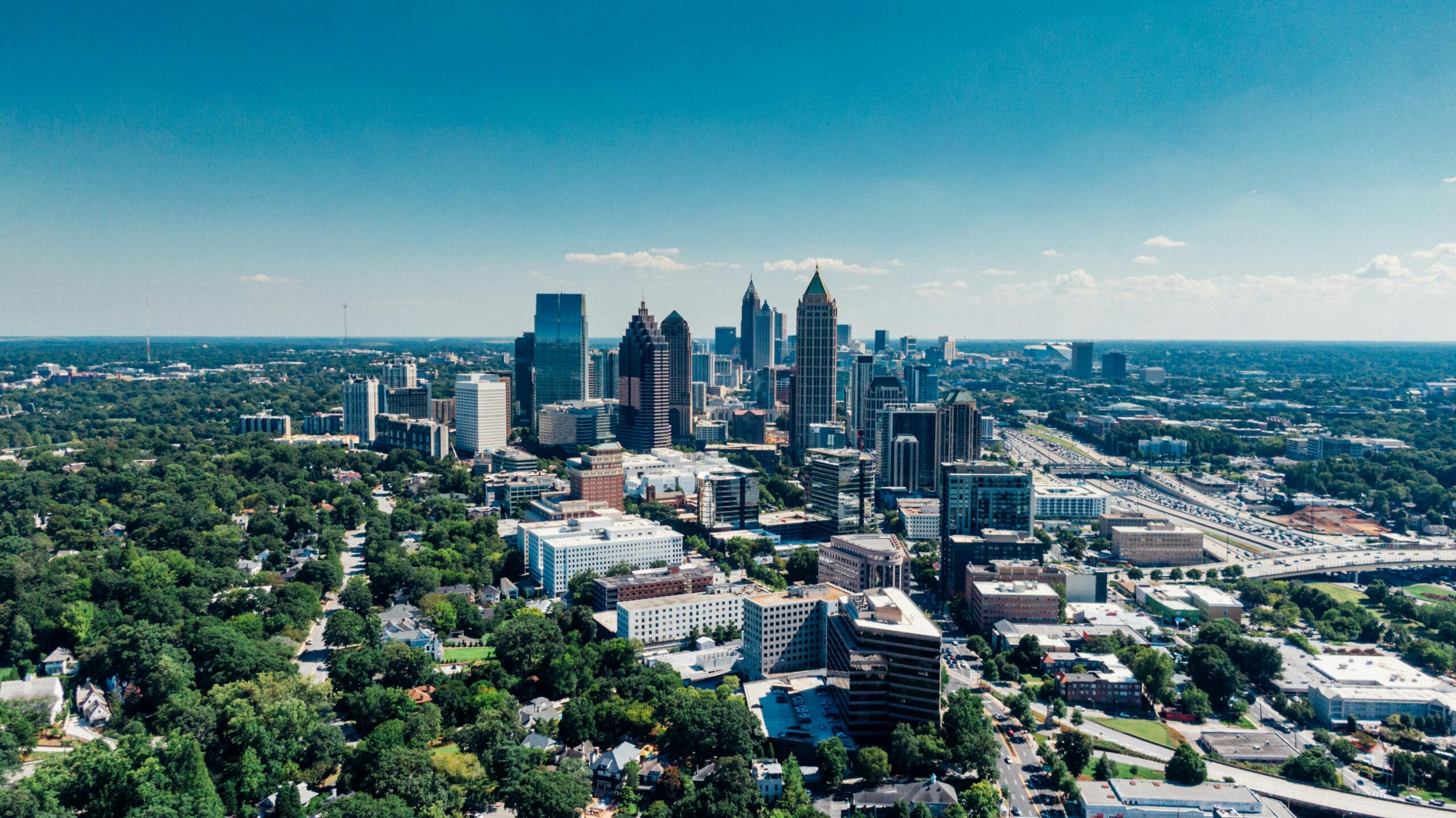
Atlanta is called “The City in a Forest” for a reason — roughly 47% tree canopy coverage. That beauty has a cost. On March 29, 2025, the Atlanta Allergy and Asthma Pollen Counting Station recorded 14,801 pollen grains per cubic meter — the highest single-day reading in over 35 years. Anything above 1,500 is classified as “extremely high.”
Your car will turn yellow. Your patio will turn yellow. If you have allergies, you prepare. If you don’t have them now, there’s a real chance you develop sensitivity after moving here.
Pollen season runs roughly late February through May. And because Atlanta’s canopy is dominated by hardwoods, leaves fall from September through the following spring — meaning yard maintenance is a six-month commitment for homeowners.
The BeltLine Functions Like Waterfront Property
Atlanta doesn’t have an ocean, a bay, or a major river running through its core. What it has is the Atlanta BeltLine — and for this market, it works exactly like waterfront does in other cities. The access is fixed. The demand is permanent. The premium is real.
The BeltLine is a 22-mile loop of multi-use trails, parks, public art, and transit connections linking 45 Atlanta neighborhoods. As of early 2026, 13.6 miles are complete, with 16.7 continuous miles expected by June — including sections opening during the FIFA World Cup this summer.
For buyers: Old Fourth Ward, one of the most direct BeltLine-adjacent neighborhoods, sees homes ranging from the low $300s to over $1 million. Inman Park runs from the high $800s into the low $1 million range. Reynoldstown, sitting right on the trail, attracts first-time buyers with a range starting in the high $400s.
If BeltLine access is an option in your search, treat it the way you’d treat any premium location. It’s not going anywhere.
Every Atlanta Neighborhood Is Its Own Market
This is the thing that catches people most off guard during a home search. Atlanta’s neighborhoods don’t just differ in price — they differ in architecture, energy, walkability, and culture. And they can shift dramatically within just a few blocks.
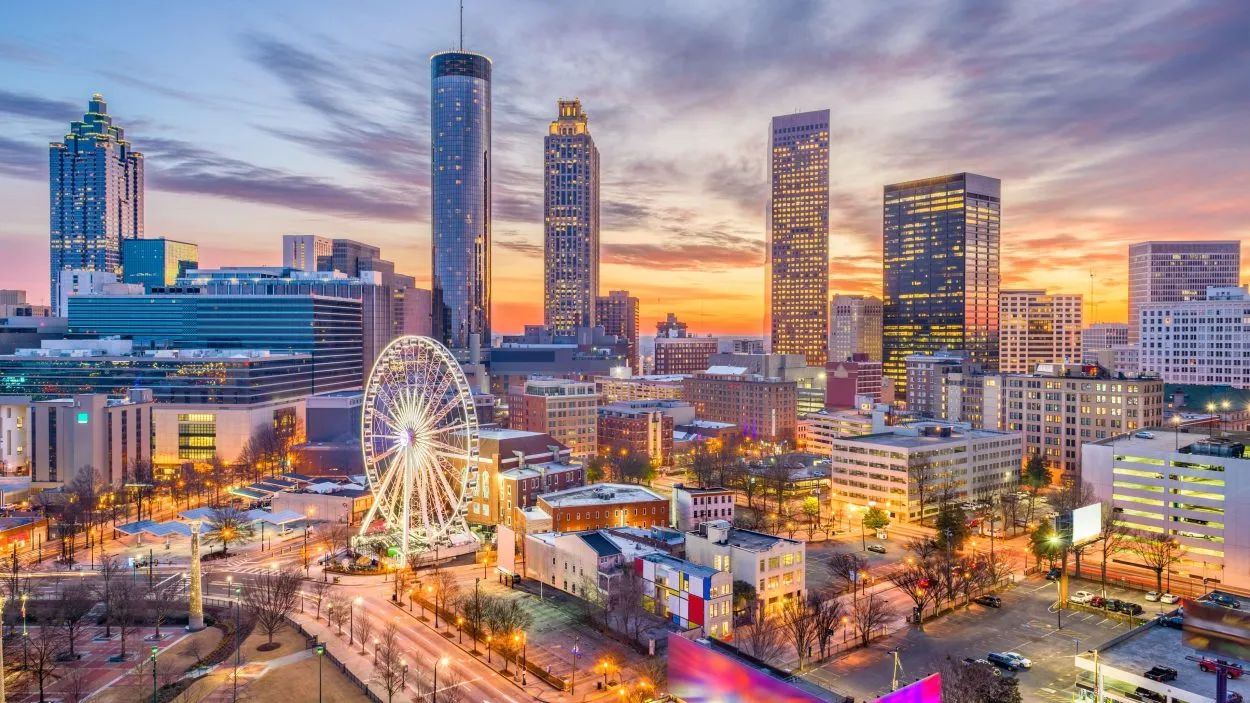
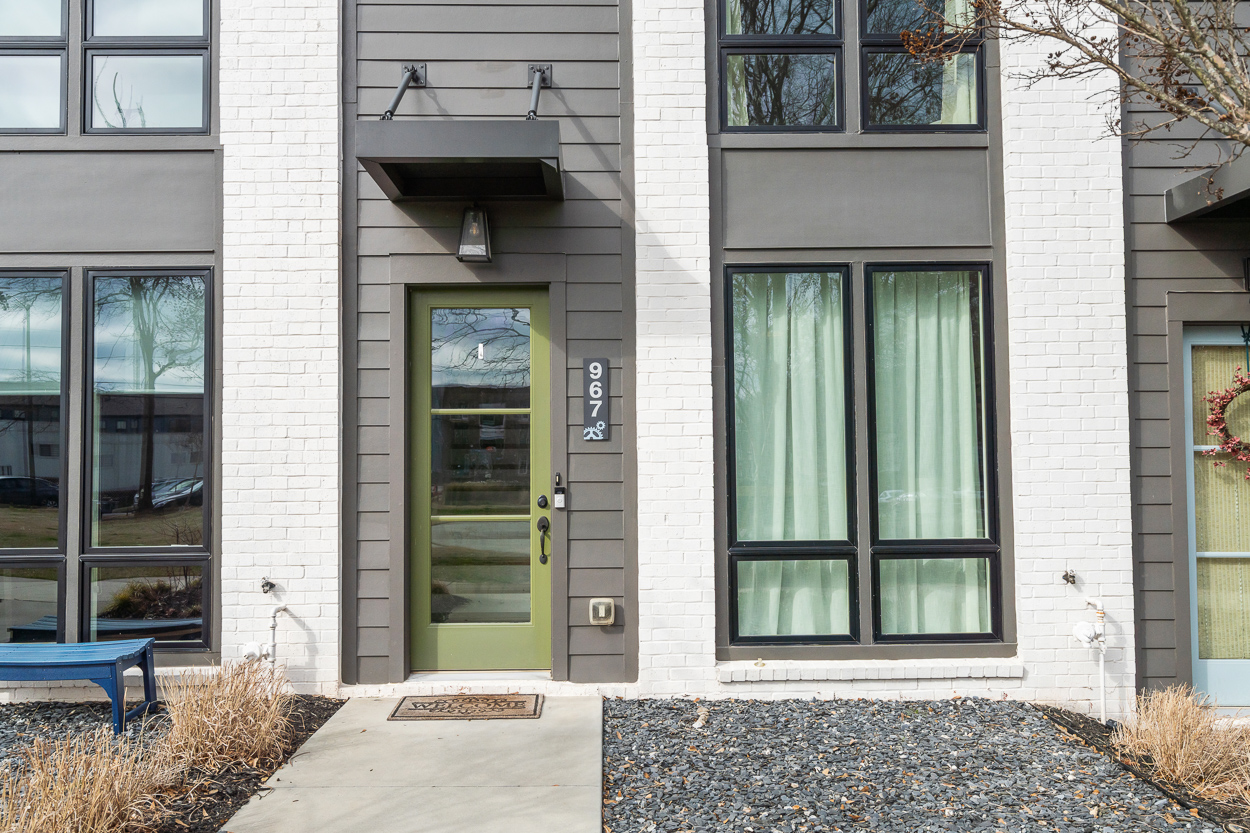
Buckhead: high-rise condos, estate homes, luxury retail. Median sale price in the 30305 ZIP code was in the high $800s as of early 2026. East Atlanta Village: smaller homes, live music, a local restaurant scene, average prices in the low $500s. West Midtown: industrial loft conversions and new townhomes ranging from the low $300s to high $600s. Inman Park: Victorian Four-Square homes from the early 1900s. Midtown: mostly high-rise condos steps from MARTA.
The rule is simple: define your lifestyle first, then find your neighborhood. Buyers who start with the house and figure out the neighborhood later almost always end up frustrated.
Hartsfield-Jackson Is a Genuine Lifestyle Advantage
With over 108 million passengers in 2024, Hartsfield-Jackson reclaimed its position as the world’s busiest airport. It connects to more than 150 U.S. destinations and 70+ international ones. For people living intown, it’s typically 15 to 20 minutes away — or a direct MARTA ride from Midtown with no parking garage, no shuttle, no stress.
If you travel for work or have family spread across the country, this is a real, ongoing quality-of-life advantage that doesn’t get talked about enough.
Inventory Has Been Tight for Over a Decade — and Here’s Why
Atlanta’s housing inventory was already constrained before the pandemic. COVID accelerated demand at a moment when supply had nowhere to go. The structural reason: there is very limited buildable land inside the city. Most parcels within Atlanta city limits have already been developed. The city doesn’t grow outward the way suburbs can.
As of early 2026, the typical home value in the city sits in the high $300s, with median sale prices in the low $400s. Highly desirable intown neighborhoods continue to operate with limited supply despite broader metro inventory gains in 2025.
One shift worth watching: ATL Zoning 2.0, the city’s first comprehensive zoning overhaul since 1982, released Draft Version 2 in December 2025. A City Council vote is expected in May 2026. The goal is to allow more diverse housing types — which could gradually shift supply in the years ahead.
If you find the right property, be prepared to move quickly. This market is not waiting for a correction it isn’t set up to deliver.
Watch the Full Video
Valerie walks through all seven points in detail — including specific neighborhood price ranges, BeltLine access tiers, and what the 2026 zoning overhaul could mean for buyers.
Explore Atlanta With Us
Your Real Atlanta is a local editorial brand dedicated to helping people understand ITP Atlanta — the neighborhoods, the market, and the lifestyle — before they make one of the biggest decisions of their lives. Browse the site, subscribe to our Saturday newsletter, and get the kind of insider knowledge that actually changes your search.