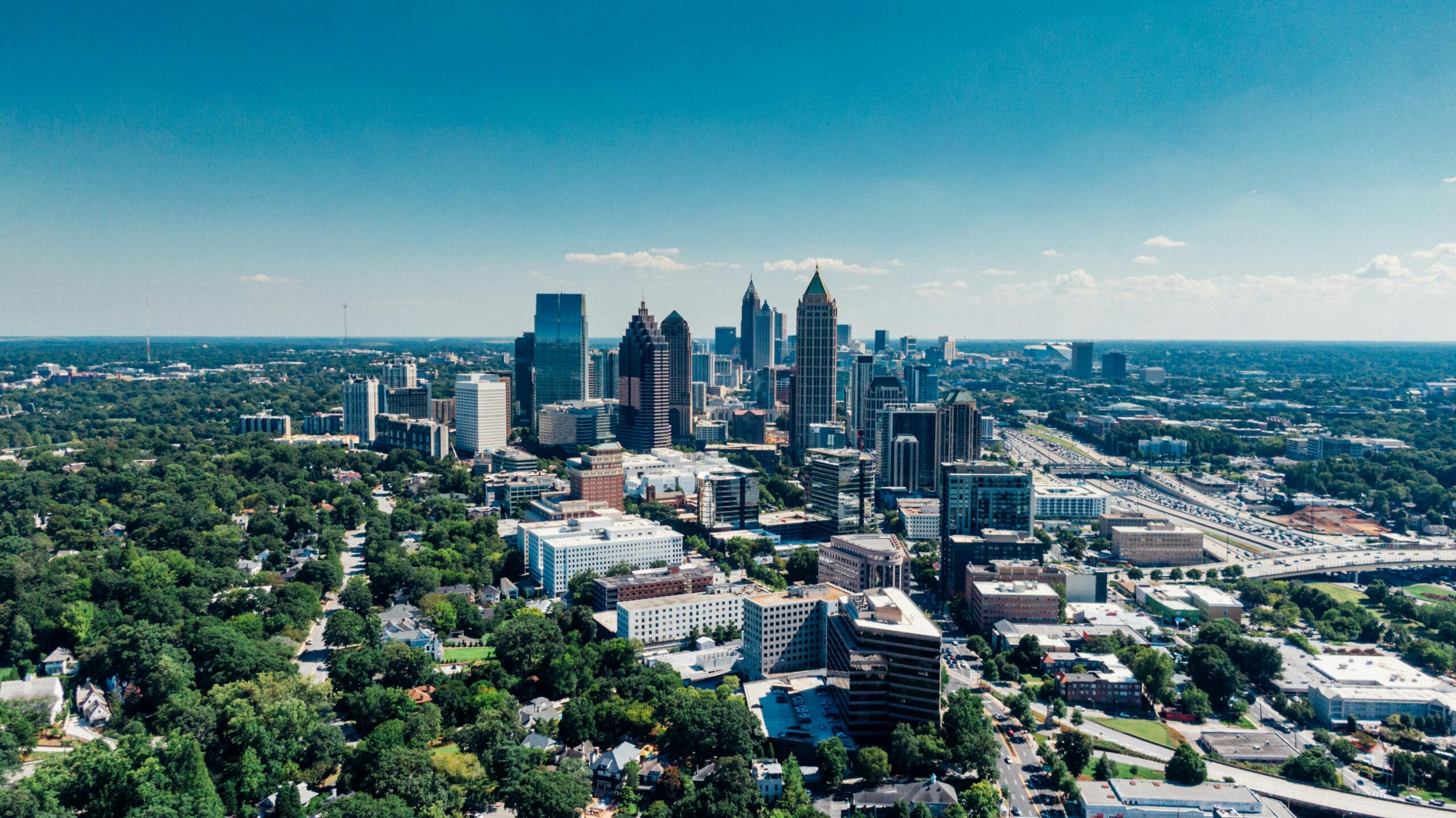
The same “Midtown Atlanta” search result can return a $400K condo and a $3M estate two blocks apart. That gap isn’t a glitch — it’s a feature, if you know how to read it. After 28 years in Atlanta’s market, here’s exactly where the hidden value pockets are and what trade-offs are doing the heavy lifting on price.
What People Get Wrong About Midtown Atlanta
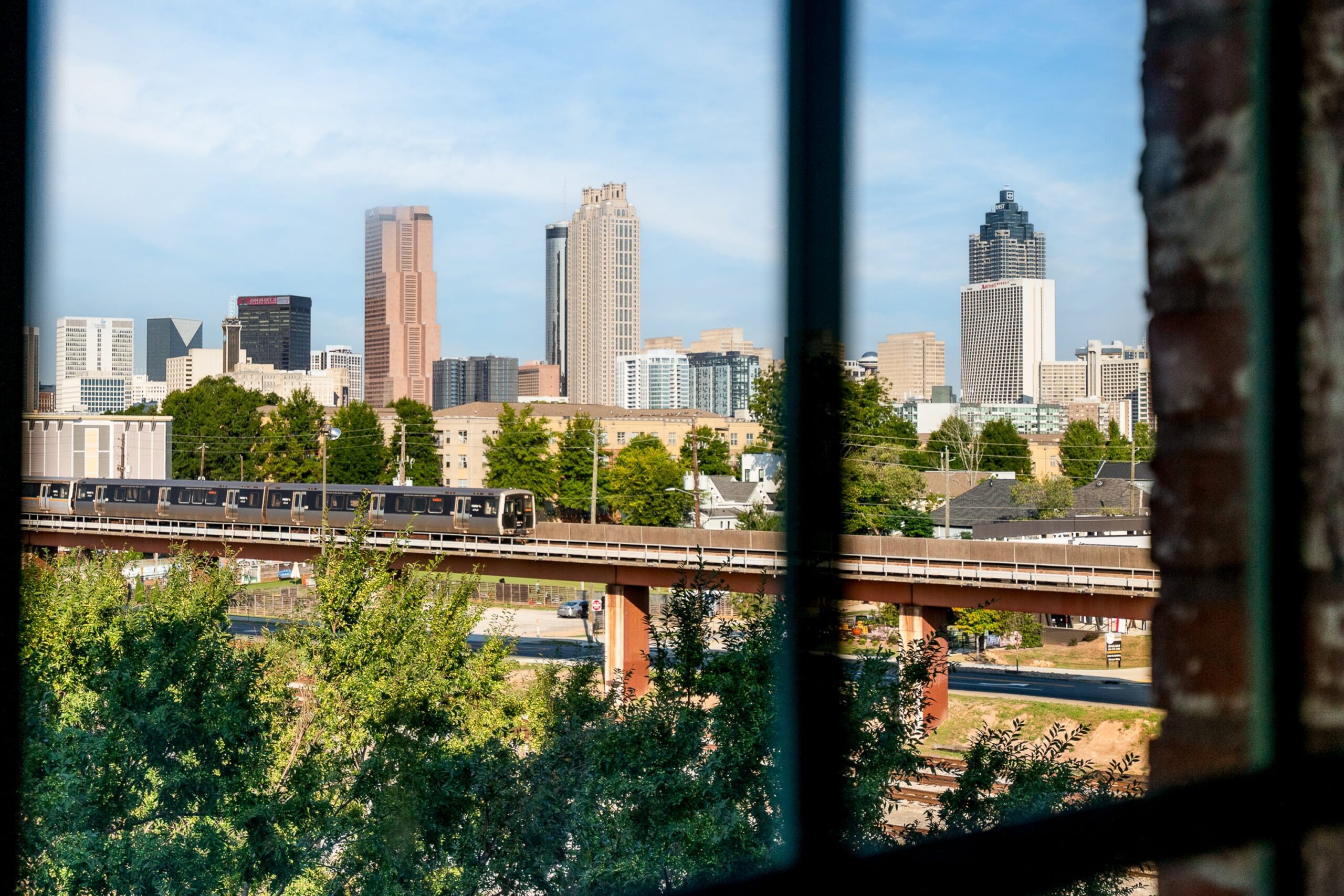
Midtown is not one neighborhood. It’s a collection of pockets — some tower-heavy and walkable to everything, others tree-canopied and quietly suburban. There are 4 MARTA rail stations serving the area, 14 miles of new sidewalks, and genuine walkability in the core. But when buyers search “Midtown” on real estate portals, they’re pulling listings from a massive, deeply varied geography.
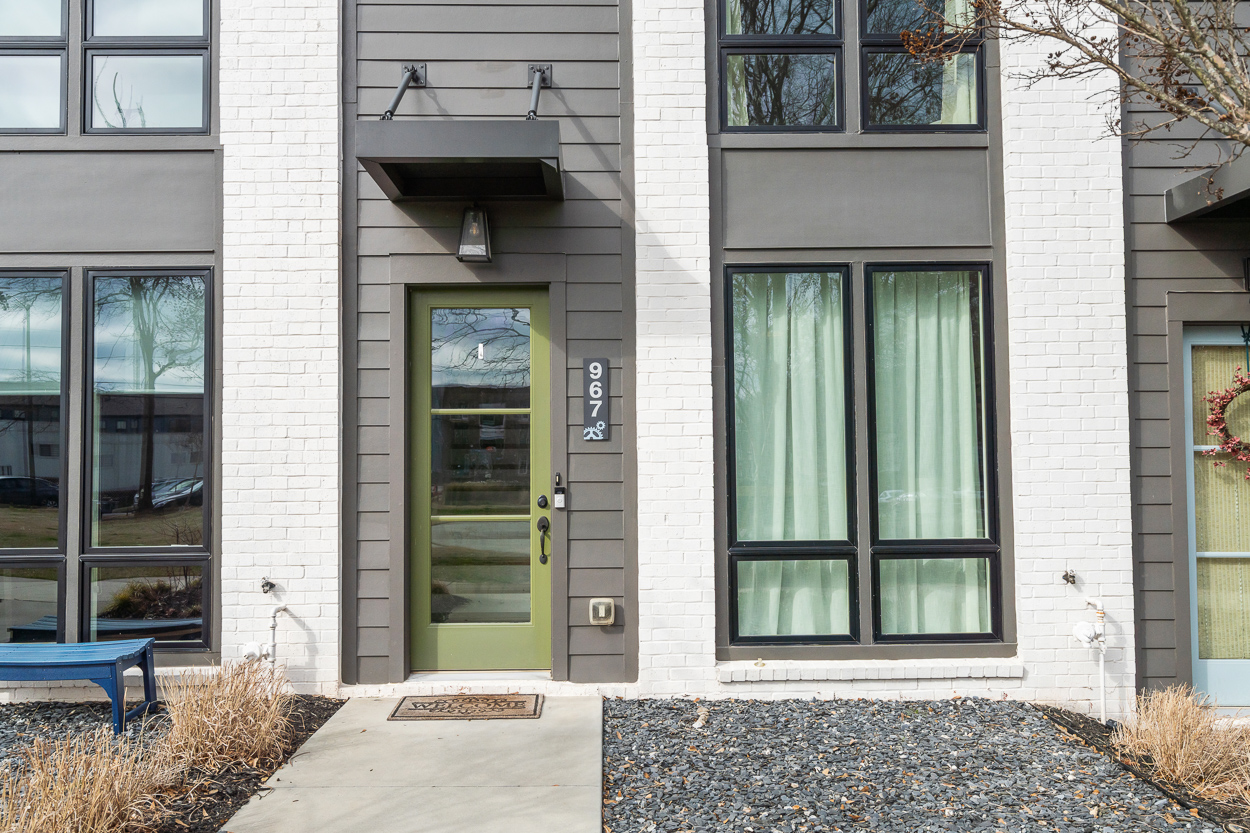
The housing stock matters here too. The majority of Midtown is large apartment and condo buildings. Single-family streets exist, but they have very low turnover. When homes do come up, you’re typically looking at older, renovated (or partially renovated) houses — not new construction. The ZIP code does not mean the same lifestyle, and it definitely doesn’t mean the same price tag.
The 7 Neighborhoods (And What Makes Each One Different)
Home Park is the most ignored pocket in the entire area — so much so that most buyers don’t know it has a name. Officially recognized by the City of Atlanta, it sits near Georgia Tech and Atlantic Station with a mostly single-family and duplex layout. No concierge buildings, no rooftop pools. Just traditional neighborhood streets at a median around the mid-$600Ks — up about 40% from last year, which tells you something.
Loring Heights is the neighborhood you’ve probably driven through a dozen times without noticing. Tucked between Midtown, Buckhead, and Atlantic Station, it offers rolling hills, mature trees, and a park network that’s not going anywhere. Townhomes generally land in the $600K–$700K range. The trade-off: you’re not walking to groceries from every block.
Sherwood Forest takes the “hidden” concept the furthest. No towers. No dense grid. Larger lots and estate-scale homes north of Midtown near the Peachtree Street extensions. Prices reflect it — median around $1.67M, with active listings running $2M–$3M+. If you want Midtown proximity with true single-family space, this is one of the only places that actually delivers.
Ansley Park (edges only) is where a historic designation meets real lifestyle leverage. Listed on the National Register of Historic Places, it sits directly against Piedmont Park with BeltLine trail access already open. Prices at the edges run from the high $800Ks into the low-to-mid $1 millions. The catch: older homes with renovation restrictions, and a neighborhood layout that can feel like a maze getting out.
Atlanta BeltLine Northeast Trail — What’s Open Now
Atlantic Station (residential side streets) is the complete opposite of Ansley Park — modern, planned, and built as a true urban district from the ground up. A free shuttle connects to MARTA’s Arts Center station. HOA fees vary widely, from roughly $250 to $1,000+ per month depending on the building. The trade-off is a planned district feel: cleaner and newer, but without the historic tree-canopy streets that define older Midtown.
Midtown Garden District splits the difference. Bounded by 10th Street, Ponce de Leon, Piedmont Avenue, and Lakeview Avenue, this is early 20th-century homes and mid-century apartment buildings on a compact, walkable street grid — without the tower density. A master plan adopted into Atlanta’s Comprehensive Development Plan in 2016 gives the neighborhood a framework for what happens next. Individual homes range from around $600K to over $1.5M.
Piedmont Heights is the most underrated of all seven. It functions as an access hinge — BeltLine adjacency, Piedmont Park proximity, quick reach to Midtown employers and culture — but buyers mentally file it as “not Midtown” and keep scrolling. Typical values land in the low-to-mid $700s, which is hundreds of thousands less than the edges of Ansley Park for comparable lifestyle infrastructure.
Watch the Full Video
We walked through all seven neighborhoods in detail on YouTube this week — including the specific trade-offs, current price data, and which pockets to look at first depending on your priorities.🎥
Explore Atlanta With Us
At Your Real Atlanta, we cover the neighborhoods most guides skip — because the real story of ITP Atlanta is always more specific than a label. If you want more breakdowns like this one, subscribe to our newsletter for the weekly Atlanta intel that keeps you ahead of other buyers.