Buying a Midtown Atlanta Condo? 6 Red Flags to Check First
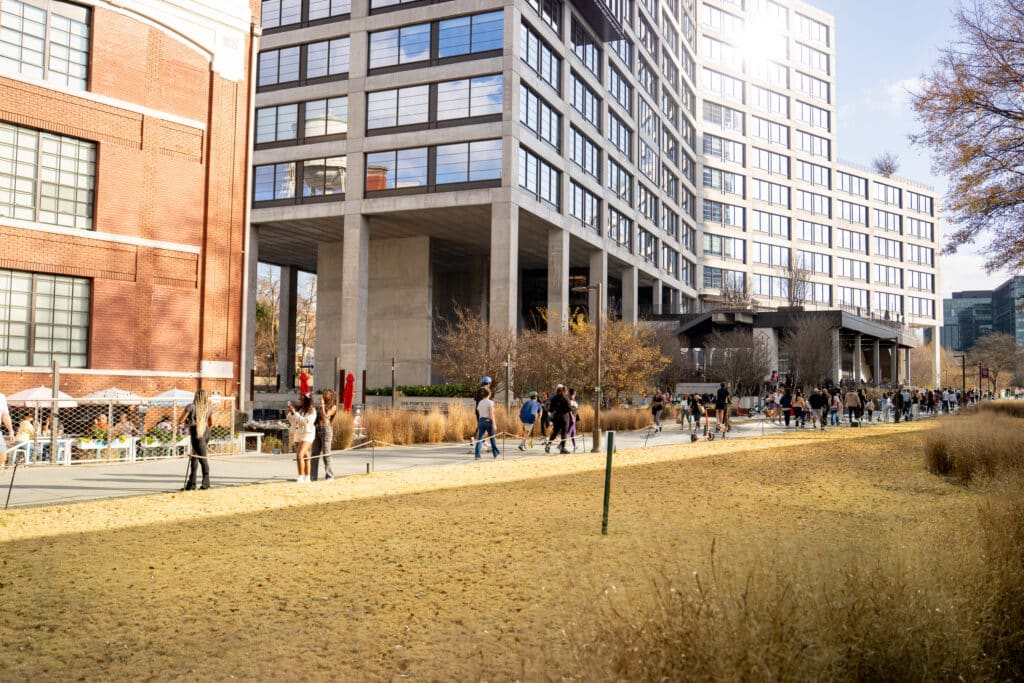
A two-bedroom on Peachtree with new quartz counters and a skyline view can look like the best value in Midtown right up until the reserve study shows the parking deck needs $4 million in repairs. The unit is the easy part of a Midtown Atlanta condo purchase. The building is the actual transaction — and starting August 3, 2026, mortgage underwriters are looking at it more closely than they have in a decade.
Here are the six things worth checking before an offer goes in.
1. Older buildings with thin reserve funds
The reserve fund is the building’s savings account, and it is the single most useful document a Midtown condo buyer can request. A portion of every owner’s HOA payment should flow into it so that when the roof, elevators, or HVAC systems reach end of life, the money already exists.
Many of Midtown’s condo buildings went up in the late 1990s, with converted properties dating back further. Most have been maintained well. But somewhere past the 20- or 30-year mark, every building starts facing capital projects at once — elevators, plumbing risers, facade work, parking decks.
When reserves are underfunded, those projects arrive as special assessments instead: a five-figure bill with little notice. Buyers should ask for the reserve study and the current association budget, then look for patterns rather than a single number. Multiple special assessments in recent years, or dues that have barely moved while the building aged, both point the same direction. Low HOA fees can mean deferred maintenance rather than good management, and deferred maintenance eventually gets paid for by whoever owns the unit at the time.
How the association responds to a document request is data too. Well-run boards keep the reserve study current because buyers ask for it constantly.
2. HOA dues that reshape the monthly payment
The list price does not determine whether a Midtown condo fits a budget. The monthly dues have comparable weight, and they vary enormously across the neighborhood.
HOA fees for Midtown condos commonly run between $400 and $800 per month, with full-amenity high-rises pushing well past that range. Two units can carry identical list prices, but if one has dues near $500 and the other closer to $1,200, the monthly cost difference exceeds $8,000 a year — before mortgage, taxes, or an HO-6 policy.
Those fees cover building exteriors, elevators, common areas, landscaping, shared amenities, and the master insurance policy. They do not cover property taxes, interior repairs, individual condo insurance, or, in many buildings, parking.
A higher fee is not automatically a worse deal. A well-managed, well-capitalized building with a $900 monthly fee may cost less over ten years than a $450 building heading toward assessment. The goal is understanding what the fee buys, not minimizing it.
3. A resale market that has slowed
Most buyers think hard about buying and very little about selling. In Midtown right now, that gap matters.
Midtown listings are taking roughly two to three months to go under contract, depending on the data source and property type — against something closer to 40 days a year ago. Inventory has climbed more than 20% year over year, and in several Midtown zip codes new listings are arriving faster than existing ones clear.
That gives buyers negotiating room today. It also means the next owner will have the same leverage. Plans change inside three years more often than people expect: a job relocation, a growing family, a different neighborhood. A slower market does not prevent a sale, but the carrying costs — mortgage, dues, taxes, insurance — keep running the entire time a unit sits.
4. Units priced to a market that ended
Some Midtown condos are still listed at 2021 pricing, when units moved in days.
Recent Midtown sales have closed at roughly 95% of asking price, and better than a third of active listings have already reduced price at least once. On a condo in the high $300s, that spread is real money. Average Midtown home values have declined about 3.5% over the past year.
The practical move: compare closed sales, not active listings. Start with the same floor plan in the same building, then widen to comparable buildings nearby. Active listings show what sellers hope for. Closed sales show what buyers actually agreed to pay. Listings that have sat for months often have room to move — the seller may simply be anchored to a number from a different market.
5. Parking that doesn’t come with the unit
Midtown is walkable enough that many residents drive rarely, which is exactly why parking gets overlooked until closing.
Parking arrangements vary by building. Some spaces are deeded and owned outright. Some convey with the unit without separate ownership. Some are assigned by the HOA and can be reassigned. A few older buildings only offer leased spaces — a monthly payment for something the owner never owns.
A two-bedroom does not automatically include two spaces. One space per bedroom is common in Midtown but not universal, particularly in older or smaller communities. Buyers should confirm what conveys, whether parking carries a separate monthly fee, what guest parking looks like, and whether the building has EV charging or plans for it. A lower asking price sometimes reflects a parking limitation — which is fine, if it’s a known trade-off rather than a closing-week discovery.
6. The building’s rental mix — and the new lending rules
This is where 2026 changed the math.
Fannie Mae retired its 50% investor concentration limit for established condo projects in March 2026, so a high share of rented units no longer triggers an automatic financing denial. That’s genuinely good news for buyers in rental-heavy Midtown buildings.
But other requirements tightened. Effective for loan applications dated August 3, 2026 and later, the Limited Review pathway is eliminated — meaning nearly every condo loan now requires a full examination of the association’s budget, reserves, insurance, and delinquencies. Underfunded reserves and deferred maintenance that once slipped past underwriting now surface before closing. A building where 15% or more of units are 60-plus days delinquent on dues fails outright, as does a project where a single entity owns more than 20% of units in a building of 21 or more. Minimum reserve funding rises from 10% to 15% of annual assessment income for applications dated January 4, 2027 and later.
Individual lenders can also apply stricter standards than the agencies require. Rental caps and leasing waitlists still matter independently: most Midtown buildings prohibit short-term rentals, and many cap how many units may be leased at once — which affects an owner who needs to relocate and rent rather than sell.
The takeaway for buyers is straightforward. The financial questions that used to be optional due diligence are now underwriting requirements. Buyers who ask them early find out before the appraisal; buyers who don’t find out three weeks before closing.
A note from Valerie
I’ve spent 28 years working with buyers across intown Atlanta, and the pattern I see most often in Midtown isn’t people buying bad condos — it’s people buying good condos in buildings they never looked at.
Two units, same floor plan, same building, listed within $5,000 of each other. One closes cleanly. The other falls apart in underwriting because the association’s insurance deductible doesn’t meet the new cap. That’s not a story about the unit. It’s a story about paperwork nobody read.
So when a client sends me a listing, the first documents I ask for aren’t the seller’s disclosures. They’re the reserve study, the last twelve months of board minutes, and the current budget. Those three things tell me more about what a condo will cost to own than any photo set will.
— Valerie Gonzalez, Vesta Consulting Group
Watch the Full Breakdown
Valerie walks through all six red flags on camera, including the specific questions to ask an HOA and how to read a reserve study without an accounting background.
Frequently Asked Questions
What is a good reserve fund level for a Midtown Atlanta condo?
Fannie Mae’s baseline requires reserves of at least 10% of annual budgeted assessment income, rising to 15% for loan applications dated January 4, 2027 and later. A current reserve study that funds upcoming capital projects matters more than any single percentage.
How much are HOA fees for Midtown Atlanta condos?
Most Midtown condo HOA fees fall between $400 and $800 per month, with full-amenity high-rises running higher. Fees typically cover building maintenance, common areas, amenities, and master insurance, but not property taxes, interior repairs, or individual condo insurance.
How long are Midtown Atlanta condos taking to sell in 2026?
Roughly two to three months to go under contract, depending on building and price point, compared to about 40 days a year earlier. Inventory is up more than 20% year over year.
What changed for condo financing on August 3, 2026?
Fannie Mae’s Limited Review pathway was eliminated for loan applications dated on or after that date. Nearly all condo loans now require a full review of the association’s finances, insurance, and delinquency rates.
Can I get a mortgage in a Midtown building with a lot of rentals?
More easily than before. Fannie Mae retired its 50% investor concentration limit for established projects in March 2026, though individual lenders may still apply their own stricter standards.
What makes a Midtown condo non-warrantable?
Common triggers include insufficient reserves, 15% or more of units 60-plus days delinquent on dues, a single entity owning more than 20% of units in a 21-plus unit project, inadequate master insurance, or active litigation. Non-warrantable buildings require cash or portfolio financing at higher rates.
Do Midtown condos come with parking?
Not always, and not always one space per bedroom. Parking may be deeded, assigned, or leased monthly, and some buildings charge separately. Confirm what conveys before making an offer.
Should I buy new construction instead of a resale condo in Midtown?
New construction avoids aging building systems, but new associations operate on projected budgets with reserve funds just getting started, so dues often rise after the first few years. Worth noting: most recent Midtown residential delivery has been rental apartments and student housing rather than for-sale condos, so new condo inventory is thin.
Thinking About a Midtown Condo?
The building matters as much as the unit — and the documents that prove it are available before an offer, not after. Send the listing and our team will review the association’s financials, recent closed comps, and any red flags alongside you.
→ Start the conversation: vestaconsultinggroup.com/contact-us/
→ Or email the listing directly: hello@vcgrealty.com