Cost to Build a Pool in Atlanta: The Real Numbers
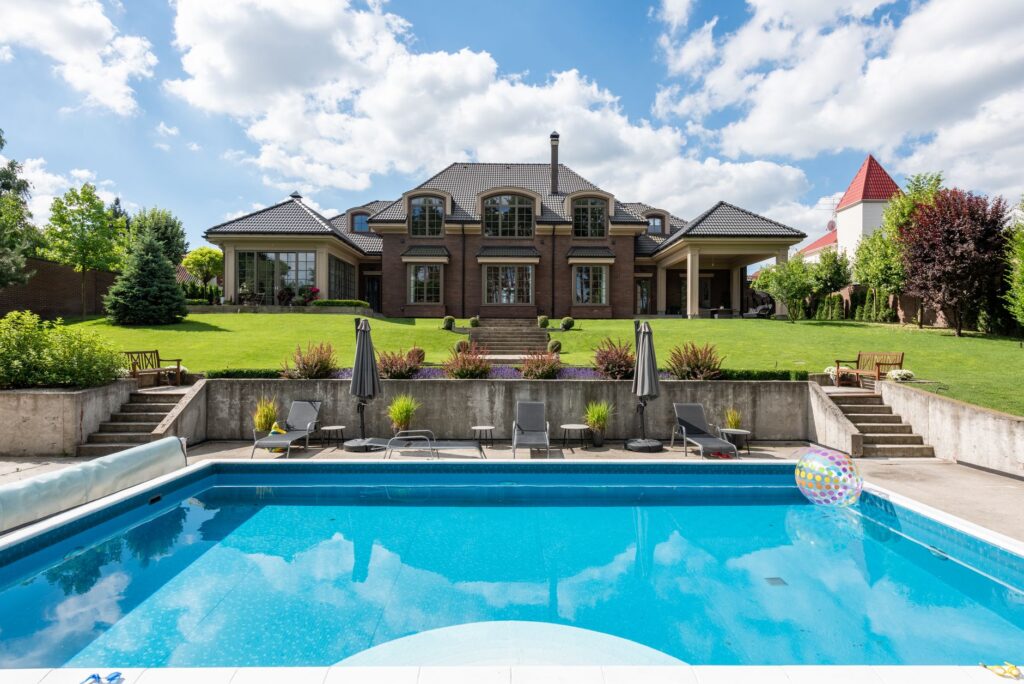
The dollar amounts here are the numbers we see show up in actual closings, not the national averages that show up in lender brochures.
Typical Pool Cost Ranges
- Pools rarely add full cost at resale
- Fulton + DeKalb permit $400-800
[Review: confirm the bullets above are accurate for Atlanta, then add one sentence on what we tell clients here.]
In-Ground vs Above-Ground Trade-Offs
- Gunite most common in Atlanta
[Review: confirm the bullets above are accurate for Atlanta, then add one sentence on what we tell clients here.]
Atlanta Permitting Costs
[Review: confirm the bullets above are accurate for Atlanta, then add one sentence on what we tell clients here.]
Ongoing Maintenance
[Review: confirm the bullets above are accurate for Atlanta, then add one sentence on what we tell clients here.]
ROI When You Sell
[Review: confirm the bullets above are accurate for Atlanta, then add one sentence on what we tell clients here.]
How Pool Costs Shift by Atlanta Neighborhood and Lot Type
Where your property sits in the metro changes the pool budget in ways most homeowners don’t anticipate until they’re already talking to contractors. In established neighborhoods like Buckhead, Morningside, and Chastain Park, lots are often smaller and more irregular, which can push excavation and engineering costs up by $8,000 to $15,000 compared to a straightforward suburban lot in Forsyth or Cherokee County. Sandy Springs and Brookhaven fall in the middle, where tree removal and root mitigation frequently add $3,000 to $6,000 before a single shovel of dirt moves.
Soil conditions are another variable that rarely appears in national cost guides. Atlanta’s red clay is notoriously difficult to work with, and pockets of hard granite shelf in parts of DeKalb and North Fulton can require blasting rather than standard excavation. We’ve seen that single line item add $10,000 to $20,000 on projects in Dunwoody and Druid Hills. If you’re budgeting a pool as part of a purchase or renovation plan, the lot’s slope, soil report, and tree canopy all need to be assessed before you treat any contractor quote as firm. A flat, open lot in a Gwinnett or Cobb subdivision will price out materially lower than a hillside lot in Virginia-Highland, even if the pool design is identical.
What Pool Costs Mean at the Offer Stage and on Your Appraisal
When a listing already has a pool, buyers often treat it as a pure bonus. The more accurate way to think about it is as a line item that cuts in two directions. On the appraisal side, a well-maintained gunite pool in a neighborhood where pools are common, such as parts of Sandy Springs, Johns Creek, or East Cobb, typically contributes $20,000 to $40,000 in appraised value. In neighborhoods where pools are rare or where lot sizes make them unusual, the appraised contribution often falls below the replacement cost, sometimes significantly. That gap matters if you’re financing, because the appraisal is what the lender lends against, not what you paid or what the seller claims the pool is worth.
On the buying side, a pool in deferred condition creates real negotiation leverage that most buyers underuse. A pool that needs resurfacing, equipment replacement, or a deck rebuild will typically run $15,000 to $35,000 to bring back to full operating condition. We pull those estimates before our clients make an offer, then use them to negotiate either a price reduction or a seller credit that reflects the actual repair scope. A pool that hasn’t been serviced properly in two or three seasons often has equipment issues that don’t surface on a standard home inspection, which is why we recommend a dedicated pool inspection as a separate due-diligence item on any Atlanta home where a pool is a meaningful part of the purchase price. The $300 to $500 inspection fee has saved our clients far more than that in every case where deferred maintenance turned up.
Frequently Asked Questions
The earlier you build these numbers into your plan, the fewer surprises at closing. We can pull a personalized estimate for your price range and county before you write an offer, which is far more useful than the generic calculators online. Atlanta costs vary measurably by county, and the standard national estimates are typically off by 10 to 30 percent for our market.
For a typical Atlanta transaction in the $400K to $800K range, this category usually runs $4,000 to $18,000 depending on which county, your specific lender, and the deal structure. The spread is wide because Fulton’s fee math differs from DeKalb, and Cobb differs from both. We can pull a tight estimate once we know your target county and price range.
Some yes, some no. Lender fees and title fees have some flexibility — shopping two or three providers can save real money. Government fees (transfer tax, recording fees) are fixed. Seller concessions toward closing costs are a real lever in this market, especially on listings sitting over 21 days. Buyers leave this lever on the table more often than they should.
Property-related fees vary by county. Fulton has the highest millage rate in the metro but offers a generous homestead exemption for primary residents. DeKalb is mid-range with strong school-zone variation in tax burden. Cobb runs lower on most categories but the math changes again if you’re inside vs. outside Marietta’s city boundaries. We always pull county-specific numbers before the offer goes in.
Build the full cost picture before you commit to a number, then structure the offer with the right combination of price, concessions, and closing-date flexibility. Most buyers focus only on price; the smartest offers in this market use all three levers. The end-of-year tax position, your loan type, and your timing flexibility all play in.
Get pre-approved with a lender who’ll share their actual fee structure (not all do). Pull a real estimate for your target county. Then talk to us about how to structure the offer to minimize what you bring to the table. Book a 15-minute call and we’ll walk through it.
Want a Specific Answer for Your Situation?
These are the typical Atlanta numbers. Your specific lender, property, and county will move them. If you want a personalized estimate, grab 15 minutes on Valerie’s calendar. No sales pitch, just a direct answer. Or send a note through the contact page.
This post reflects current Atlanta market conditions as of June 2026. Tax rules, lending terms, and fees can change. For legal, tax, or compliance questions, consult a qualified Georgia professional.
Featured photo by Max Vakhtbovych on Pexels.