Stop Over Improving Your Atlanta Home: Smart Renovation Tips for Sellers
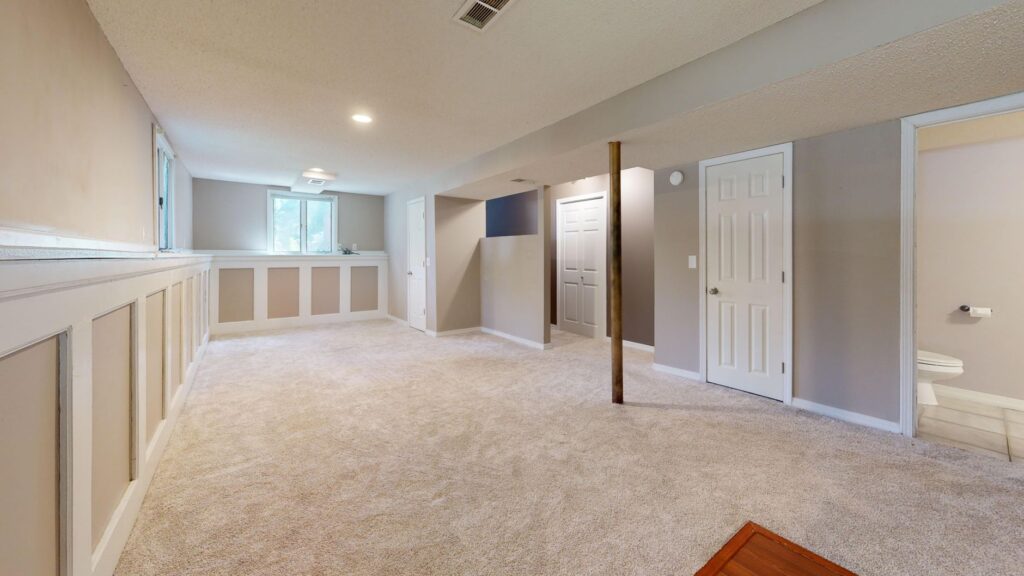

Have you ever wondered if that $50,000 kitchen upgrade or designer landscaping project will actually add value when it’s time to sell? Here’s the truth: personalizing your home doesn’t always mean profit. In fact, in many Atlanta neighborhoods, sellers lose money because we’ve “over improved” their homes.
So let’s talk about what over improving means, why it happens, and how to avoid making costly mistakes before you list your property.
Why Sellers Fall Into the Over Improving Trap
It’s easy to get caught up in the excitement of making your home beautiful. Maybe you’ve been watching HGTV and think a chef’s kitchen is a must have. Or maybe you fell in love with custom drapes on your last trip abroad. The problem? Buyers don’t value upgrades the same way you do.
Here’s why sellers often over-improve:
- Personal taste vs. market demand: What you love might not appeal to a broad pool of buyers.
- Emotional attachment: It feels good to invest in your home but feelings don’t always translate to ROI.
- Confusing cost with value: Just because you spent $60,000 doesn’t mean your home’s value increased by $60,000.
3 Common Examples of Over Improving
Let’s look at where sellers most often overspend.
1. The Ultra Luxury Kitchen
We’ve seen homeowners drop six figures into a professional-grade kitchen. While it might look amazing, if the home itself isn’t in a price range where buyers expect that level of finish, it’s wasted money. A $400,000 kitchen in a $600,000 home doesn’t add up in Buckhead or Decatur. Buyers won’t pay extra just because the stove belongs in a five star restaurant.
2. Custom Window Treatments
You may love those imported Chinese silk drapes that cost $60,000, but buyers see them as personal décor. Window treatments are highly subjective, and most buyers mentally budget to replace them. Translation: they won’t pay you back for your investment.
3. High End Landscaping
Curb appeal matters, but there’s a limit. Spending tens of thousands on rare plants, ornate fountains, or elaborate hardscaping can actually hurt resale value because buyers see future maintenance headaches. A beautifully kept lawn and tasteful plantings go further in Midtown or Sandy Springs than a $100,000 outdoor project.

How Atlanta Buyers See Improvements
Every market has its quirks, and Atlanta is no different. Buyers in Buckhead may expect higher end finishes, but even there, moderation matters. In Midtown condos, flashy renovations can price you out of competition with nearby units. In Decatur or East Atlanta, charm and practicality often win over extravagance.
The key takeaway: buyers compare your home to similar ones in the neighborhood. If your improvements push the price well beyond comparable properties, you’ll struggle to recoup your costs no matter how stunning the upgrades.
Smart Tips for Atlanta Sellers
Instead of overspending, here’s how to stay strategic:
- Consult before you renovate: Talk to a real estate professional before committing to big ticket projects. We’ll tell you which updates buyers actually value in your area.
- Think cost vs. value: Use ROI data and neighborhood comps to guide decisions. A mid range kitchen refresh often pays off better than a luxury overhaul.
- Focus on universal appeal: Fresh paint, modern light fixtures, updated hardware, and a tidy yard offer strong returns without overspending.
- Time it right: Sometimes it’s better to make modest updates right before listing than invest heavily years in advance.

How We Help Sellers Avoid Costly Mistakes
At we, we’ve seen sellers in Atlanta make the mistake of pouring money into projects that don’t pay off. Our role is to help you balance personal enjoyment with market value.
We guide sellers through:
- Reviewing comparable properties to understand buyer expectations
- Running cost vs value analyses for potential upgrades
- Offering tailored advice for specific neighborhoods
- Positioning your home to sell quickly without wasted renovation dollars
By partnering with us, you can avoid over improving and focus on the changes that actually help your home sell.
Don’t Just Upgrade, Upgrade Smart
Think of your home like a stage: the goal isn’t to showcase your dream décor, but to create a space where buyers can picture their future. That’s why investing in strategic, market savvy improvements will always outperform flashy, personal projects.

Featured photo by Peter Vang on Pexels.
Where the Line Falls in Atlanta’s Mid-Range Neighborhoods
The over-improvement trap hits hardest in Atlanta’s mid-range price tiers, roughly the $350,000 to $650,000 segment that covers much of Reynoldstown, Kirkwood, Avondale Estates, and parts of Brookhaven. In these neighborhoods, buyers are stretching their budgets to get in, which means they scrutinize price-per-square-foot closely and compare your home against every active listing within a half-mile radius. A renovation that costs $40,000 but moves your ask $10,000 above the neighborhood ceiling is not a strategic investment, it is a liability. We watch this play out regularly when sellers in Kirkwood install full primary suite additions or high-end outdoor kitchens that push a home past the $600,000 mark in a block where comps are settling between $480,000 and $530,000.
The same principle applies in Cobb and Gwinnett County, where move-in-ready condition matters but finishes are weighted differently than they are inside the perimeter. Buyers shopping in Smyrna or Lawrenceville are typically comparing your home to new construction options nearby, so your $25,000 custom tile work competes against a builder’s base package with a warranty attached. The practical ceiling in those submarkets is real, and pushing past it means your home sits longer and eventually sells below your renovation investment anyway. Before committing to any project above roughly $15,000, we pull current comps and calculate exactly how much headroom the neighborhood’s price ceiling gives you to work with.
The Renovations That Actually Move the Needle Before You List
While this post focuses on what to avoid, it is equally useful to name what does hold up in Atlanta’s resale market. The updates that consistently deliver value share two traits: they remove buyer objections without adding subjective taste, and they photograph well for online listings where most Atlanta buyers form their first impression.
- Interior paint in current neutral tones. A full interior repaint typically runs $3,000 to $6,000 for an average Atlanta home and is one of the highest-return projects we recommend across all price tiers.
- Bathroom refreshes short of full gut renovations. Replacing dated vanity hardware, re-caulking tile, and swapping out light fixtures can cost under $2,000 and meaningfully shift buyer perception.
- HVAC servicing with documentation. Atlanta buyers ask about HVAC age on nearly every offer we receive. A recent service record and clean filter is inexpensive and removes a common inspection negotiation point.
- Refinished hardwood floors. In Virginia-Highland, Morningside, and Inman Park, original hardwoods are a selling feature. Refinishing them runs $2,000 to $4,000 on average and consistently outperforms carpet replacement in buyer feedback.
- Clean, functional landscaping at the entry. Mulched beds, trimmed shrubs, and a pressure-washed driveway cost a few hundred dollars and directly affect the first 30 seconds of a buyer’s visit.
None of these updates require design talent or a major budget commitment. What they share is broad appeal across buyer pools in nearly every Atlanta submarket. We frame our pre-listing conversations around this list first, because sellers who focus here almost always net more per dollar spent than sellers who go straight to the big-ticket projects.